


Cart
0
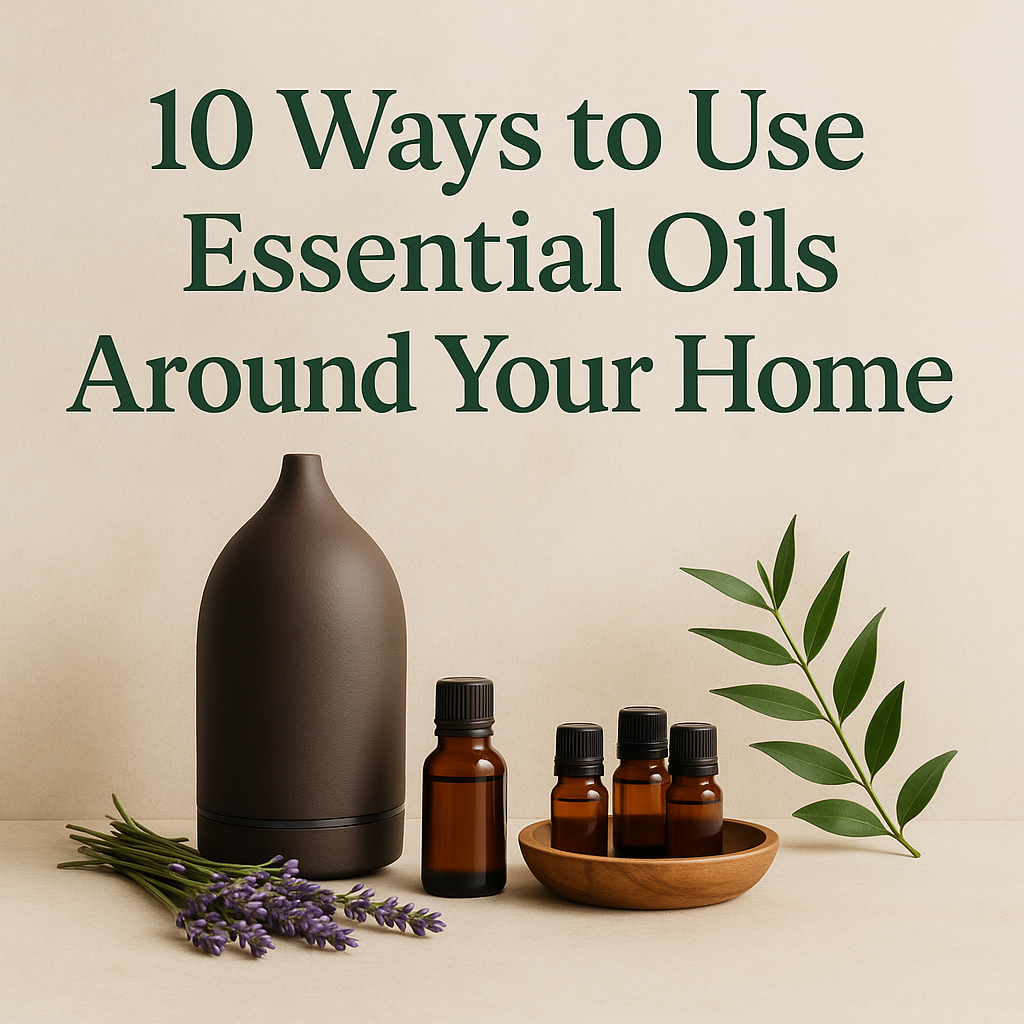
Essential oils can transform how your home feels and smells. They are natural plant extracts used to refresh air, clean surfaces, and improve mood. This guide explains how to use essential oils at home in practical and lesser-known ways that make each drop valuable.
The Best Way to Use Essential Oils at Home
The best way to use essential oils for home is through a diffuser. A diffuser spreads scent evenly and allows oils to mix with air particles safely.
There are two main types:
-
Ultrasonic diffusers: use water and are ideal for gentle scents.
-
Nebulizing diffusers: use only oil for a stronger, faster aroma.
Use distilled water, clean the device weekly, and diffuse for 20–30 minutes at a time. Over-diffusing can cause scent fatigue.
Citrus oils work well in the morning, while lavender essential oil or bergamot essential oil create a calm mood in the evening.
What to Do If You Don’t Have a Diffuser
If you don’t have a diffuser, you can still enjoy essential oils for home fragrance using common items. The scent spreads naturally through heat, air movement, or evaporation.
Here are easy methods that work just as well:
-
Steam method: Add 5 drops of your favourite oil to a bowl of hot water. The rising steam carries scent across the room.
-
Cotton ball trick: Place a few drops on cotton balls and set them near air vents, windowsills, or behind curtains. The airflow spreads the aroma throughout the room.
-
DIY reed diffuser: Pour 1/4 cup of carrier oil (like almond or jojoba) into a glass jar, mix in 15–20 drops of essential oil, and insert bamboo skewers or reeds. Flip them every few days for continuous scent.
-
Stovetop simmer: Combine water, a few slices of lemon, and a few drops of rosemary or cinnamon oil in a pot. Let it simmer on low heat to scent the kitchen naturally.
-
Fabric spray: Mix water, a spoon of witch hazel, and 10 drops of oil in a spray bottle. Use it on linens, curtains, or furniture for a refreshing touch.
These simple methods give similar results without needing extra gadgets.
How Lavender Essential Oil Improves Home Comfort
Lavender essential oil helps create a relaxing environment and supports better rest. It’s one of the best essential oils for home fragrance because of its mild floral scent.
To use it:
-
Mix 5 drops of lavender oil with 1 teaspoon baking soda and water.
-
Spray it lightly on cushions or curtains for freshness.
-
Combine with bergamot essential oil to add a soothing layer.
Lavender also helps reduce mild headaches and tension, making it ideal for living rooms and bedrooms.
How Can Rosemary Essential Oil Keep the Kitchen Fresh?
Organic rosemary essential oil helps reduce strong cooking odours and promotes alertness while cooking. It is an excellent option among essential oils for kitchen because its herbal scent removes smoke and grease smell naturally.
Mix 5 drops of rosemary oil and 3 drops of lemon oil with a cup of vinegar and water. Spray it on counters or stove areas after cleaning.
Diffusing rosemary and lemon together for 15 minutes after cooking can also help reduce airborne bacteria and refresh the space.
Why Are Essential Oils Useful for Bathrooms?
Essential oils for bathroom purify air and eliminate odours caused by moisture. They work better than chemical sprays because they react with air molecules instead of masking smells.
Create a bathroom deodorizer:
-
Fill a small jar halfway with baking soda.
-
Add 15 drops of eucalyptus, lavender, or tea tree oil.
-
Cover with a breathable cloth and replace every two weeks.
For a quick refresh, mix peppermint oil with water and spray inside the toilet bowl before flushing.
How Can You Use Essential Oils for Home Cleaning?
Essential oils for home cleaning add fragrance and antibacterial properties to your routine. They work well for surfaces, mirrors, and sinks.
Try this natural all-purpose cleaner:
-
1 cup white vinegar
-
1 cup water
-
10 drops tea tree oil
-
8 drops lemon or bergamot essential oil
Shake before each use. Apply to counters and wipe with a clean cloth. Store the mix in a dark glass bottle to protect oil quality.
This solution removes dirt while leaving behind a refreshing scent.
What Are the Best Essential Oil Blends for Home Fragrance?
Essential oil blends for home help you create custom scents for different moods. Instead of buying ready-made sprays, make your own combinations.
Examples:
-
Morning blend: 3 drops grapefruit, 2 drops rosemary, 1 drop peppermint.
-
Evening calm blend: 4 drops lavender, 2 drops bergamot.
-
Clean air blend: 3 drops lemon, 2 drops cedarwood, 2 drops lavender.
Add these to a diffuser or bowl of warm water.
For a long-lasting effect, place a few cotton balls with drops of oil behind curtains or near vents.
How Do Essential Oils Help With Focus and Productivity?
Certain essential oils for home can improve concentration and mental clarity. Rosemary, peppermint, and citrus oils are popular for work or study spaces.
Diffuse for 10 minutes before you begin work.
You can also make a roll-on blend:
-
Mix 2 drops peppermint, 2 drops rosemary, and a teaspoon of carrier oil.
-
Apply a small amount on your wrist when you feel tired to regain focus.
When Should You Use Essential Oils for Sleep?
Use lavender essential oil or bergamot essential oil 30 minutes before bedtime to prepare your mind for rest.
Diffuse for a short period or spray diluted lavender near your pillow.
This scent pattern helps your brain recognize bedtime faster. Over time, it trains your mind to relax once it detects the fragrance.
How Can You Use Essential Oils in Closets or Laundry?
Essential oils for home fragrance can freshen storage areas and laundry. Mix 10 drops of cedarwood or lavender with a tablespoon of rice, place in a small pouch, and hang it in your closet.
Add 1–2 drops of lemon or rosemary oil to your washing machine’s rinse cycle for a naturally scented load. It’s a safe alternative to chemical softeners.
Are Essential Oils Safe Around Kids and Pets?
Essential oils for home are natural but must be used carefully. Pets and children are sensitive to high concentrations.
Follow these safety tips:
-
Diffuse for 15–30 minutes in ventilated areas.
-
Keep oils out of reach and away from direct contact.
-
Avoid peppermint, clove, and tea tree oil near cats or small dogs.
-
Store bottles in a cool, dark place to preserve quality.
Responsible use ensures benefits without irritation or harm.
Why Essential Oils Make Homes Feel Fresher
Using essential oils regularly can make your home smell clean, feel peaceful, and even improve daily mood. Each room benefits from specific scents:
-
Bathroom: tea tree or eucalyptus
-
Kitchen: rosemary and lemon
-
Living room: lavender and bergamot
-
Bedroom: chamomile or lavender
Short, consistent use gives better results than heavy or constant diffusing.
Conclusion
Essential oils can make your home healthier and more inviting. From cleaning to relaxation, every area can benefit with the right oil and method.
If you want trusted, high-quality oils for your home, explore SAHZ’s collection. You’ll find premium diffusers, pure blends, and guides to help you pick the right scent for each space. Start small, stay consistent, and turn your home into a naturally fresh environment.
FAQs
Can you diffuse too much essential oils?
Yes. Using too much essential oil in a diffuser can cause headaches, nausea, or irritation in your throat. It can also make your nose stop noticing the scent after a while.
Diffuse oils for 20 to 30 minutes at a time, two or three times a day. Always keep the room well-ventilated and use fewer drops if the scent feels strong or heavy.
What is the best carrier oil to mix with essential oils?
The best carrier oils to mix with essential oils are jojoba oil, sweet almond oil, and fractionated coconut oil. These are light, safe for most skin types, and do not affect the aroma of the essential oil.
When making blends or applying oils to skin, use one to two drops of essential oil per teaspoon of carrier oil. This keeps the mix gentle and safe.
What happens if you don't dilute essential oils?
Applying undiluted essential oils can irritate your skin or cause redness and itching. Strong oils like cinnamon or clove can even cause burns on sensitive skin.
Always mix essential oils with a carrier oil before using them on your body. This protects your skin and helps the scent last longer without causing harm.


