


Cart
0
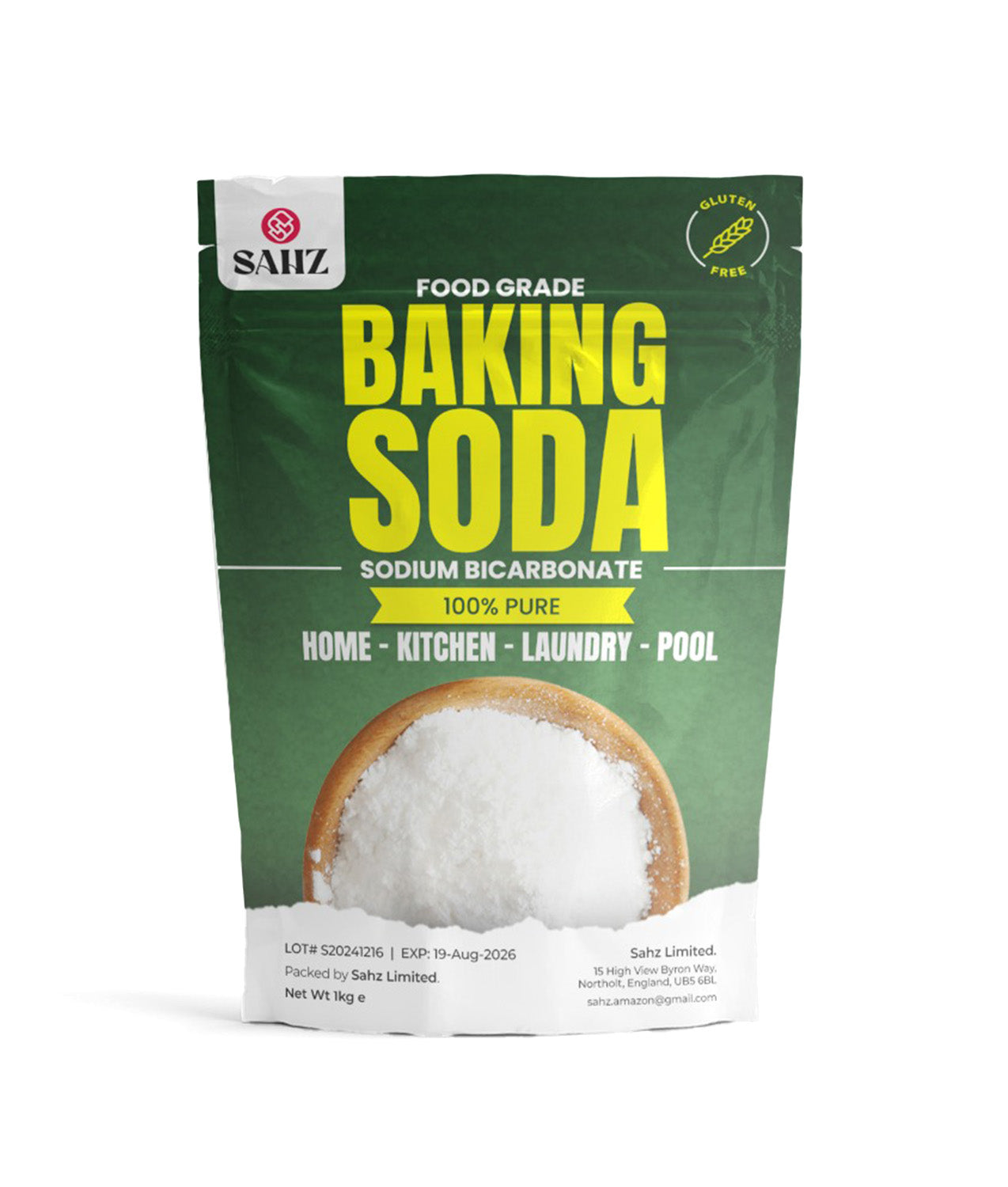
Baking soda is one of the simplest, most effective ways to absorb odour from smelly shoes and trainers — but once it's done its job, you're often left wondering how to get it back out without leaving a chalky mess or white residue behind. Here's how to apply it properly, remove it cleanly afterwards, and keep the smell from coming back.
Why baking soda works on shoe odour
Shoe odour is mostly caused by bacteria breaking down sweat inside the fabric and lining. Baking soda (sodium bicarbonate) is alkaline, which neutralises the acidic compounds bacteria produce, while also drawing out moisture the bacteria need to thrive. That's why it's such a popular natural alternative to spray deodorisers — it treats the cause, not just the smell.
How to use baking soda in shoes (do this first)
- Empty and air the shoes. Remove insoles if they lift out, and let the shoes air for an hour before treating them — this alone removes some odour.
- Sprinkle a generous, even layer of food-grade baking soda into each shoe, making sure it reaches the toe area and under the tongue.
- Leave it overnight (or for at least 6–8 hours). The longer it sits, the more moisture and odour it absorbs.
- Tip the shoes upside down over a bin the next morning to remove the bulk of the powder before the next step.
How to get rid of the leftover baking soda
Tipping the shoes out gets rid of most of it, but baking soda is fine and powdery, so a bit usually clings to the fabric or settles into seams. Here's how to clear the rest without damaging the shoe:
- Shake and tap. With the insole removed, hold the shoe upside down and tap the sole firmly against your hand or a bin edge — this dislodges powder trapped in the toe box.
- Vacuum it out. A vacuum with a narrow crevice attachment is the most thorough method — run it around the inside of the shoe, focusing on seams and the arch area where powder collects.
- Brush fabric linings. For canvas or fabric-lined shoes, a soft-bristle brush (an old toothbrush works well) loosens powder stuck to the material so it can be shaken or vacuumed out.
- Wipe leather and synthetic linings. A slightly damp microfibre cloth lifts residue from non-porous linings — go over the surface once, then let the shoe air dry fully before wearing.
- Rinse removable insoles separately. If your insoles lift out, tap them clean or rinse under cold water, then air dry completely before putting them back in — never put damp insoles into a closed shoe.
Avoiding white residue and stains
White marks usually happen when baking soda mixes with moisture and isn't fully removed before the shoe is worn or gets wet again. To avoid this:
- Always remove as much powder as possible before wearing the shoes again — don't just knock out the loose bits.
- Make sure shoes are completely dry before treating them; damp shoes cause the powder to clump and stick rather than absorb and lift away.
- For dark or suede shoes, vacuum rather than brush where possible, since brushing can push fine powder deeper into the nap.
Frequently asked questions
Can I leave baking soda in shoes permanently?
It's better not to. Once it's absorbed moisture and odour, its effectiveness drops, and leftover powder can eventually cause dryness or residue on fabric linings. Treat, remove, repeat is more effective than leaving it in indefinitely.
How often should I do this?
Once a week for regularly worn shoes (trainers, work boots) is enough for most people. Increase to every few days for gym shoes or during hot weather.
Can I use scented baking soda to help with smell?
Yes — adding a couple of drops of an essential oil such as tea tree or lavender oil to the baking soda before sprinkling gives extra freshness and tea tree has natural antibacterial properties, which pairs well with baking soda's odour-neutralising effect. Mix the oil into the baking soda in a separate bowl first so it doesn't clump before use.
Will it damage my shoes?
Baking soda is safe for the vast majority of shoe materials when used dry and removed properly. If you're treating high-end suede or delicate leather, test on a small hidden area first, or stick to a fabric sachet of baking soda placed inside the shoe rather than loose powder directly on the material.
A simpler alternative: baking soda sachets
If you'd rather avoid loose powder altogether, spoon baking soda into an old sock, a piece of muslin, or a breathable fabric pouch, tie it off, and drop it into the shoe overnight. You get the same odour-absorbing effect with none of the cleanup — just shake the sachet out and reuse it.
Shop our food-grade Baking Soda, available in 1kg, 2kg, 4kg and 5kg bags — the same grade used throughout this guide, safe for shoes, fridges, carpets, and cooking.


